Types of Digital Marketing: A Complete Guide to Every Channel
Digital marketing is the process of using online channels to attract and engage customers. It encompasses nearly every digital channel, from blogs to Google Ads, and has changed the way businesses interact with the public. Instead of sending generic, one-way messages and hoping for the best, your brand can now build relationships online with dynamic conversations.
But how do you know when to use all the different types of digital marketing? This guide breaks down the best options for small businesses, so you know when to use them and how to measure their success.
The Role of Digital Marketing in Modern Business
Digital marketing has evolved to target changing consumer behaviors. Adults now spend an average of 6 hours and 38 minutes online every day. They watch shows and movies, listen to music, catch up on world events, and research purchases — the same reasons they used to turn to sources like TV and newspapers.
Using a mix of digital marketing channels, your brand can meet these consumers where they are. As online marketing has evolved, it has leveled the playing field for businesses of all sizes. Now, your business can leverage digital marketing to develop flexible marketing strategies and drive measurable, cost-effective results.
Search Engine Optimization (SEO)
SEO is the practice of refining a website to improve its ranking in search engines. Each move up the search engine results page (SERP) can earn you a higher percentage of clicks, with the most significant gains happening as you reach the top. The number-one result gets an impressive 27.6% of traffic.
SEO typically starts with on-page optimization, which addresses your website's content and structure. First, you conduct keyword research to identify high-potential search terms, then use those terms to craft high-value content.
Off-page SEO incorporates the rest of your online presence. It's about earning backlinks from authoritative websites, which boost your
reputation and make you more findable. You can measure overall results by tracking key performance indicators (KPIs), including:
- Organic traffic: The number of visitors who reach your website through the SERP
- Keyword rankings: Where you appear on the SERP for particular search terms
- Bounce rate: The percentage of website visitors who leave your website quickly, indicating a poor search query match
SEO is a form of inbound marketing, meaning it attracts customers by providing value. It can take time for SEO to gain traction, so many professionals combine it with outbound marketing, such as pay-per-click.
Pay-Per-Click (PPC) Advertising
PPC advertising is a paid form of digital marketing where you pay when someone takes a targeted action, such as a click or sign-up. Google Ads, social media ads, and banner ads all fall into this category.
To run PPC ads, you select the keyword you want to rank for and the audience demographic you wish to reach. You then set an overall budget and bid on the maximum you're willing to pay per click. The advertising platform evaluates each submission based on bid and quality, choosing which ads to display for each keyword.
Paid advertising can get you to the top of the SERP faster than SEO, giving you targeted visibility with less of a wait. It's even more efficient when you adjust your strategy based on relevant KPIs, such as:
- Click-through rate: The percentage of viewers who clicked on your ad
- Cost per click: How much you paid for each target action
- Conversion rate: The percentage of people who moved forward in the funnel after clicking your ad
Content Marketing
Content marketing is a strategy that engages target audiences with relevant, high-value media. Of the many types of online marketing, it probably has the most subtypes — blog posts, case studies, e-books, YouTube videos, newsletters, and infographics, to name a few.
By providing valuable information and a call to action, which suggests a next step people can take, a content strategy attracts new audiences while building trust. You can measure success with engagement-based KPIs, such as:
- Page engagement: The number and type of interactions, such as comments and likes, with your social media page or profile
- Time on page: How long visitors spend, on average, on the page hosting your content
- Lead generation: The number of audience members who express a desire to learn more, often by sharing contact information
Social Media Marketing
As the name suggests, social media marketing attracts audiences through platforms such as Facebook, Instagram, and TikTok. The two basic components are organic posting, which primarily reaches your followers, and paid ads, which target a specific demographic.
Organic posts drive engagement with your brand community. Unlike other channels, social media platforms let you have back-and-forth conversations through comments and direct messages. Paid ads are ideal for brand awareness, especially now that 73% of the U.S. population uses at least one social media platform.
Social media marketing is easiest to measure via engagement. Effective KPIs include:
- Engagement rate: The number of audience interactions, compared to the total number of followers on that platform
- Follower growth: How many new followers you earn after a marketing push
- Social traffic conversions: The number of purchases or other target actions where the traffic originated on a social platform
Email Marketing
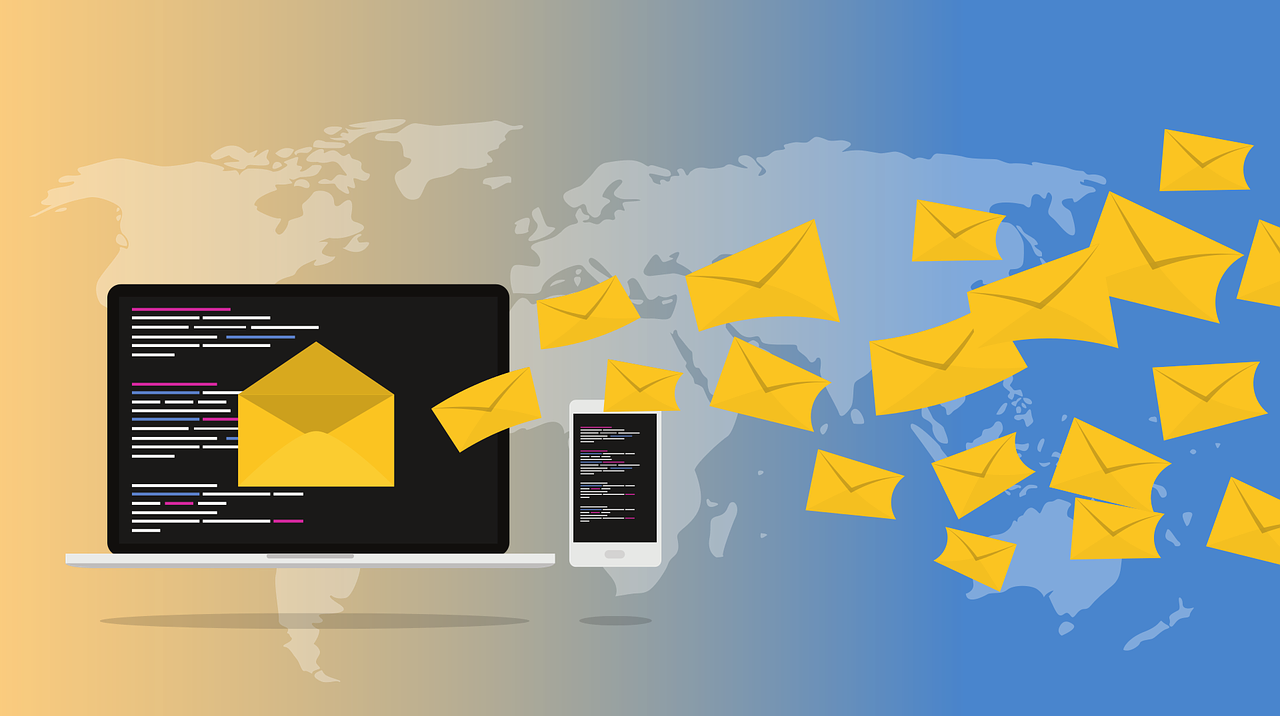
Email marketing is a powerful tool for cultivating strong customer relationships. A promotional email or newsletter lets you speak directly to the recipient in a way that feels one-on-one, with the convenience of mass marketing.
Today's email marketing tools make it easy to personalize your campaigns by segmenting your audience. Segmentation divides your email list into interest groups, allowing you to create automated sequences that target each buyer's needs.
You can use email marketing to improve customer retention and nurture new leads to purchase. Use KPIs like open rates, click-through rates, and unsubscribe rates to gauge your success.
Affiliate Marketing
Affiliate marketing is an arrangement where a third-party content creator promotes your products or services in exchange for a commission. You choose whether the affiliate earns that commission with every purchase, lead, or click.
Some affiliates primarily use paid ads to target a broad audience, while others create niche content and promote relevant products. The most valuable affiliates have used your product or service, but it's not a requirement.
Since affiliates aren't a part of your company, you want to track their results closely. Record the amount of referral traffic and revenue you get from each affiliate, as well as the commissions you pay out. Calculate the affiliate cost per acquisition to gauge affiliate profitability.
Influencer Marketing
Influencer marketing also involves collaborating with a content creator, but there's no commission structure. You pay influencers a flat fee or free product in exchange for promoting your business to their audiences.
Influencers tend to have highly engaged social media audiences and often focus on a specific niche, such as skincare or baby products. Working with an influencer can be an effective way of growing your audience, but you'll need to track your return on investment (ROI). It also helps to track engagement rates and impressions, as audiences can take time to reach the purchase stage.
Mobile Marketing
More than 90% of Americans own smartphones, and 15% are smartphone-only users. Mobile marketing lets you reach these consumers with tactics such as text message campaigns, branded apps, in-app ads, and mobile-optimized websites.
You can measure these efforts using channel-specific KPIs. App installs are an excellent metric for branded apps and in-app ads. Mobile CTRs measure ads, text-based marketing, and mobile websites well.
Video Marketing
Video marketing is engaging and effective at reaching diverse audiences. In one survey, 93% of video marketers said the format has a strong ROI — the highest percentage since the annual survey began in 2016. They say video helps them increase brand awareness, web traffic, and understanding of the product or service.
You quantify the success of your video campaigns by tracking view counts, watch times, and direct engagement, such as likes and shares.
Choosing the Right Mix for Your Business
You don't need to use all kinds of digital marketing to promote your business. It's more valuable to choose a few channels that align with your goals and priorities.
Perhaps you want your digital strategies to boost brand awareness in your market, grow your email list, or gain more traction on social media. Consider the best channels for that goal, then evaluate each one based on your budget and target audience. Aim for a mix that combines organic and paid media.
For example, suppose you want to target brand awareness among a younger, digitally savvy audience, so you focus on organic social and influencer marketing. Or, to attract more web traffic, you invest in SEO for long-term growth and PPC ads for quick results.
Power your Marketing Campaigns With Optimize Digital Marketing
When you're busy running a business, investing in a new digital marketing strategy can feel like a big undertaking. Optimzie Digital Marketing takes that off your plate with a customized approach that includes social media marketing, paid ads, and more. We'll do the legwork so you can focus on serving your customers.
Ready to learn more? Connect with us now and tell us more about your digital marketing goals.
View Our Latest Posts