Marketing Analytics Tools: How to Measure What’s Driving Growth
Customers see the creative side of marketing: the striking designs, the catchy slogans, the persuasive calls to action. Creative decisions have to come from somewhere, though. In successful marketing campaigns, those decisions are fueled by one thing—cold, hard data.
You need to know what’s working and what’s not in your marketing efforts. Tracking and analyzing data is how you eliminate guesswork and make more grounded, informed decisions.
Many advertising platforms like Google and Meta have built-in analytics dashboards, but they don’t cover everything you need to know. Look for marketing analytics tools that bring all your data together to help you discover insights about the customer journey and optimize your strategies.
Why Your Shop Needs Marketing Analytics Tools Now!
The traditional way of running marketing campaigns was coming up with an idea, running the ads, and watching whether leads or sales actually increased. There’s way too much guesswork in that process, though.
An analytics dashboard lets you pull back the curtain and see what’s actually going on in your campaigns. You’ll have access to data that helps you:
- Optimize your budget: Quickly discover which campaigns are driving revenue and which are underperforming so you can stop wasting money on ads that don’t work.
- Understand your customers: By tracking behavior across the customer journey, you can better understand what customers are looking for and how to deliver the right messages.
- Tie marketing to direct results: Monitor the direct business results of your campaigns, such as higher engagement, sales, and leads.
Campaigns are never perfect from the get-go. Marketing analytics lets you learn what’s working so you can apply those strategies moving forward while leaving tactics that aren’t working behind.
The Most Important Metrics To Track For Business Growth
The metrics you track matter. If you get stuck focusing on the wrong metrics, you’ll end up optimizing your marketing campaigns for factors that don’t actually lead to the results you want.
For example, say you want to boost brand awareness. Some business owners may assume they should focus on metrics like social media likes and followers. While these metrics do reflect brand awareness to a degree, there are other crucial metrics you shouldn’t overlook.
Always tie the metrics you’re tracking to your business goals. Your key performance indicators (KPIs) are concrete metrics that measure how successful your efforts are. Common marketing KPIs include:
- Customer acquisition costs (CAC): How much you spend to acquire a new customer (Your total marketing and sales costs divided by the number of new customers)
- Cost per lead: How much you spend to generate one new lead
- Return on investment (ROI) : How much profit your marketing efforts drive compared to how much you spend on marketing
- Conversion rate: The percentage of users who complete a set action, like filling out an appointment form
- Customer lifetime value (CLV): The amount of revenue you expect to bring in from a customer during their entire relationship with your business
When you’re getting started with using and understanding marketing KPIs, focus on CAC first. You want to keep your CAC as low as possible so you’re maximizing the profit you make from each new customer.
Keep a close eye on ROI, too. If your ROI drops, that’s a sign that something’s not right with your marketing strategy. Dig deeper into your campaign data to try to pinpoint the issue and address it. Using AI in your marketing can help you speed up the analysis process by identifying trends and offering insights.
Picking The Best Tools For Your Marketing Stack
Looking at the raw data from your campaigns is overwhelming at best. It’s just walls of numbers on your screen that don’t mean much of anything in that form. To actually get something out of your data, you need marketing analytics tools.
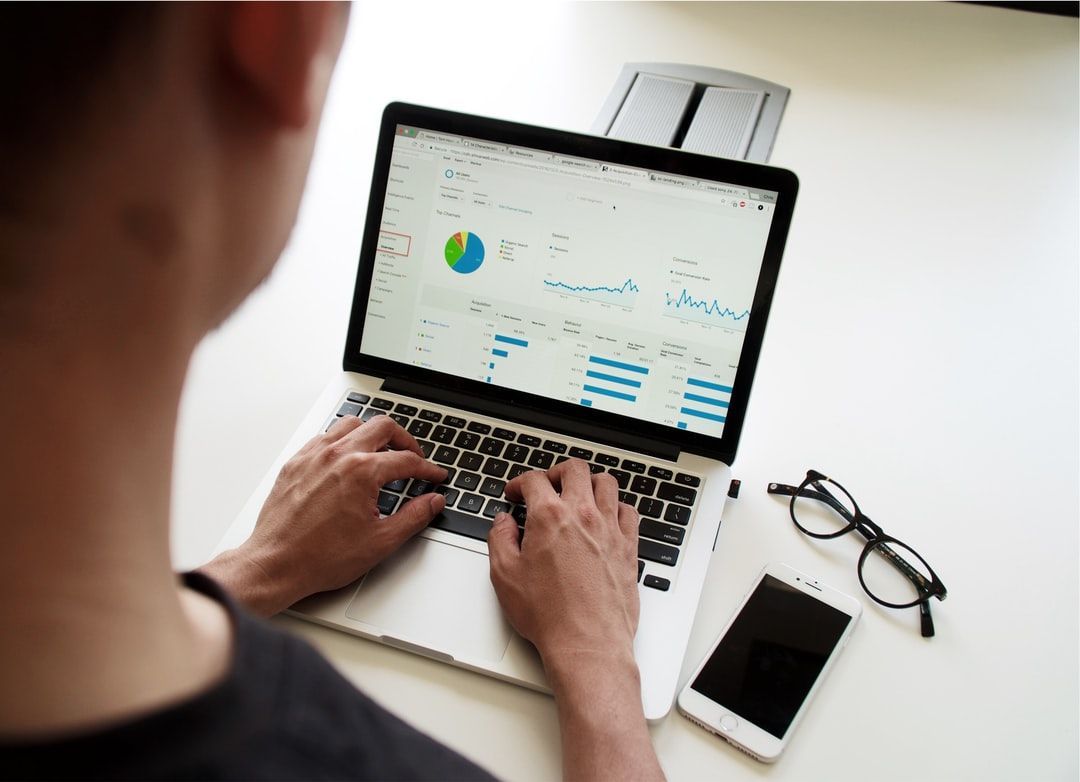
These tools take your data and turn it into something that’s easy to understand and analyze—even if you’re not a data scientist. They generate visualizations like charts and graphs to show trends in your marketing.
The best marketing data analysis tools for your business may depend on the channels you’re using. Consider tools dedicated to these specific channels:
- Social: Measure content performance, such as reach and click-through rates, as well as audience demographics and brand sentiment on social media.
- SEO: Track keyword rankings, organic traffic, conversion rates, and off-page analytics to help your business rank higher in search engine results.
- Paid ads: Measure cost per click (CPC), cost per acquisition, and return on ad spend. Also uses attribution models to credit marketing touchpoints at all funnel stages with final sales.
You can look at separate analytics dashboards for each channel you use, or move to one consolidated dashboard. With a consolidated dashboard, you can see all your data in one place for a more big-picture view of your marketing.
Using Reporting Dashboards To See The Big Picture
Marketing campaigns don’t operate in isolation. Your paid ads, email marketing, SEO, social media, and other channels all work together to entice customers and move them through the buying journey. The best marketing tools for small businesses help you see the big picture so you can optimize your entire marketing strategy, not just smaller pieces in isolation.
Having one centralized dashboard also eliminates the need to bounce back and forth between analytics tools. Instead, you can open one tool as your go-to source of marketing data and analytics. Keep things simple and convenient.
At Optimize Digital Marketing, we know small business owners don’t want to spend all their time digging through marketing dashboards to hopefully find a gem of useful information. We share user-friendly dashboards to make sure you can learn what you need to know about your campaigns as quickly and easily as possible.
Turning Your Raw Data Into A Winning Strategy
Having your marketing data available in dashboards isn't enough on its own. The next step is much more important: turning your data into action that fuels results for your business. Focus on these tactics:
- Identify gaps in your marketing approach: Look for patterns that show an opportunity to improve your marketing, such as a high bounce rate on your website. That’s a sign you need to change something about your site to keep visitors there longer and hopefully generate leads.
- Re-allocate your marketing budget: Take the money you were putting toward underperforming campaigns and instead invest it in campaigns that are producing measurable results.
- Keep testing: Try out different marketing approaches and monitor the results to learn what works best with your audience.
Mastering Multi-Channel Tracking For Local Shops
Marketing a local service business like towing or auto repair is different from marketing a global enterprise or even a small direct-to-consumer brand. If you try to cast a wide net, you’ll be spreading your marketing budget too thin to make an impact. Instead, focus on targeting local customers through reliable channels, like local SEO, community engagement on social media, and hyper-local search ads.
Use multi-channel tracking for these campaigns, too. Multi-channel tracking will clarify how customers are interacting with your business and what influences their purchases.
Optimize Digital Marketing has mastered marketing analytics to make sure you’re investing in the right strategies and campaigns to grow your business. Contact us today to get started on a personalized marketing plan for your local service business, with analytics as a central feature.
View Our Latest Posts